

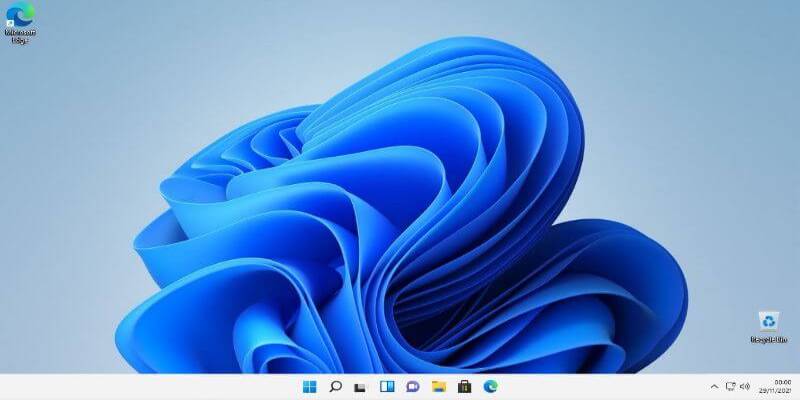
Windows 11 first launched on 5 October 2021, but the version you’d install today looks and behaves quite differently. Windows 10 support ended on 14 October 2025, so Windows 11 is now Microsoft’s only supported desktop operating system for most people. The current mainstream release is version 25H2, and Microsoft is rolling out the next annual update, version 26H2, through late 2026.
This guide covers what Windows 11 actually looks like now: the interface, the Copilot and AI features Microsoft has built in, security changes worth knowing about, and whether upgrading is still worth it if you’ve held off.
According to Microsoft, Windows 11 is built on the same foundation as Windows 10, so if you used Windows 10, then Windows 11 will be a natural transition and update to what you know and what you’re familiar with.
So What Is Windows 11 Like Now?
Windows 11 is a more secure, more polished evolution of Windows 10, not a ground-up rebuild, and that’s still true five years on. What’s changed since launch is how much of the experience now runs through Copilot: you can search, take file actions, and even change some settings by asking rather than clicking through menus. Underneath, Microsoft has focused each release on ease of use, security, and accessibility, with less emphasis on the flashy redesigns that defined the original launch.
User Interface
The interface is still built around rounded corners, soft animation, and a minimalist look, but recent updates (April 2026 onward) have brought a faster, less cluttered right-click context menu, a redesigned dark-themed Properties tab in File Explorer, and a more modern Run dialog. Microsoft’s own Windows chief acknowledged in early 2026 that the OS had become cluttered and slow in places, and much of 2026’s work has gone into trimming that back down rather than adding more on top.
Start Menu And Taskbar
The Start menu remains centred on the taskbar by default, with the option to move it back to the left if you prefer the Windows 10 layout. The taskbar now also carries an “Ask Copilot” search box, a floating, more compact alternative to full Windows Search that’s designed to understand plain-language questions rather than just file names.
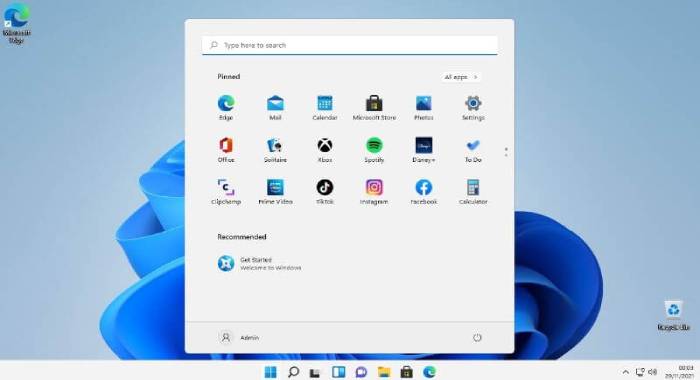
The start button for that reason has also moved slightly from the original left corner position.
Settings, Notifications and File Explorer
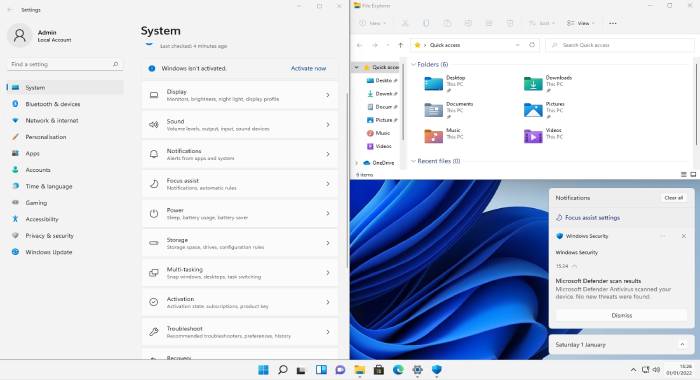
Settings Menu, Notifications and Actions Cernter have also been revamped. File explorer has been overhauled and the way you copy, cut and past is now very intuitive and upto date.
Windows Subsystem for Linux (WSL)
Windows Subsystem for Linux (WSL) is available on Windows 11. This should allow Windows users to run a GNU/Linux environment on their Windows 11 desktops without a separate virtual machine or dual-boot.
Settings, Notifications, and File Explorer
Settings, Notifications, and File Explorer have all had further work done since launch. File Explorer’s Home tab now remembers which sections you had expanded or collapsed between sessions, and copying, cutting, and pasting remain far more intuitive than the Windows 10 equivalents. The newest addition is AI actions in File Explorer: right-click a file (or press Shift+F10), and you can summarise a document or edit an image directly from the context menu, without opening a separate app.
Windows Subsystem For Linux (WSL)
Windows Subsystem for Linux (WSL) is still built into Windows 11, letting you run a GNU/Linux environment directly on your desktop without a separate virtual machine or dual-boot setup. This hasn’t changed since launch and remains one of the more useful features for developers.
Windows 11 Apps
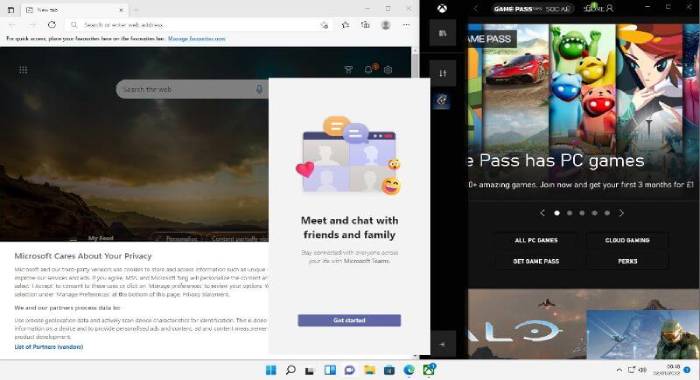
Microsoft Teams is the default chat, voice, and video call app, accessible directly from the taskbar, though it’s not the full-featured version bundled with Microsoft 365. Edge is the default browser, and Internet Explorer remains fully removed. Task View, Virtual Desktops, and Hyper-V are all still present from Windows 10, with minor tweaks over the years.
Cortana no longer exists as a standalone app on Windows; Microsoft retired it in 2023 in favour of Copilot, which now handles the assistant role across Windows and Microsoft 365. The Microsoft Store has also been refreshed and is better organised than at launch. Live Tiles are long gone, replaced by Widgets on the taskbar, showing news, weather, and other feeds. The Xbox app, Auto HDR, and DirectStorage remain integrated for gaming.
Copilot And AI Features
This is the biggest change since Windows 11 launched. Copilot now sits at the centre of the OS rather than being a bolt-on sidebar:
- Ask Copilot on the taskbar blends local Windows Search with AI-generated answers in a small floating window.
- AI actions in File Explorer let you summarise documents or edit images by right-clicking a file.
- Copilot hover actions, rolling out through 2026, let you open a file’s location or ask Copilot about a file straight from File Explorer’s Home tab.
- Click to Do and other Copilot+ PC features extend further on hardware with a dedicated neural processing unit (NPU).
Microsoft has also had to walk back some of this after user pushback over performance and intrusiveness. Since early 2026, updates have focused on giving people more control over how much Copilot shows up, including reduced footprint options and the ability to remap the physical Copilot key on newer keyboards to Right Ctrl or the Context Menu key instead.
Privacy And Security
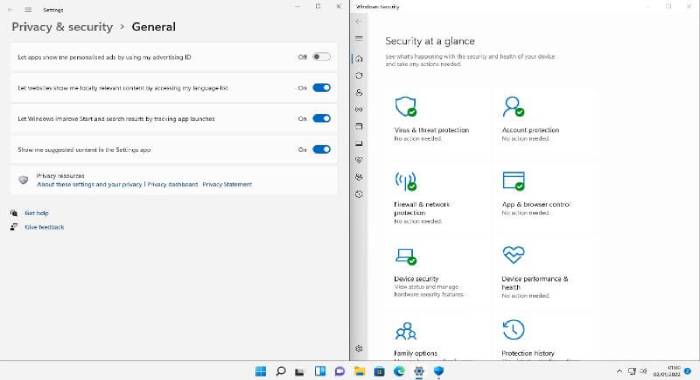
TPM 2.0 remains a hard requirement, alongside Windows Security, Microsoft Defender Antivirus, security baselines, and Windows Hello for Business, all carried over and refined from Windows 10. One thing worth flagging for anyone running an older, unpatched install: Secure Boot certificates used by most Windows devices started expiring from June 2026, and Microsoft has been rolling out replacement certificates automatically to consumer and non-managed business devices. If you keep Windows Update running normally, this shouldn’t need any action on your part.
Windows 11 Versions And Editions
Windows 11 is available in Home, Pro, and Windows 11 SE for education. Version-wise, here’s where things stand:
- 24H2 — released October 2024. Home and Pro editions reach end of support on 13 October 2026; Enterprise and Education continue until October 2027. If you’re still on 24H2, plan to move to 25H2 or 26H2 before that date.
- 25H2 — the current mainstream version, supported until October 2027 (or October 2028 depending on edition). It shares the same underlying platform as 24H2, delivered as a lightweight enablement package rather than a full reinstall.
- 26H2 — Microsoft’s 2026 annual update, expected through late 2026. Like 25H2 before it, this arrives as an enablement package that switches on features already present in the platform rather than a full new install, so there’s no rush to upgrade the moment it appears, but you shouldn’t skip it indefinitely either.
Should You Still Upgrade From Windows 10?
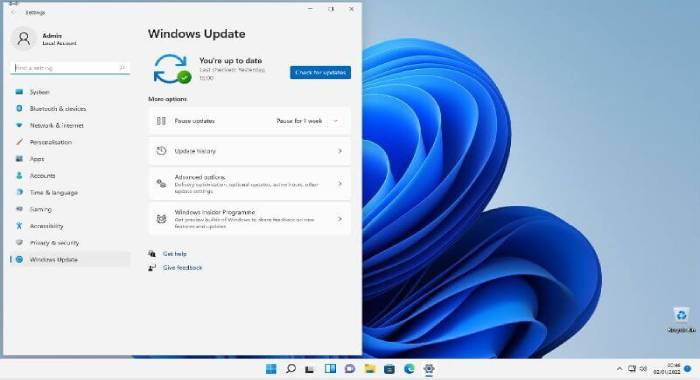
Windows 10 reached the end of its support lifecycle on 14 October 2025. Unless you’ve enrolled in Microsoft’s Extended Security Updates programme, an unsupported Windows 10 PC no longer receives security patches, which makes upgrading to Windows 11 (or replacing the machine) a genuine security consideration rather than just a nice-to-have. If your hardware meets the minimum requirements, moving to Windows 11 25H2 is the straightforward option and carries your files and settings across in the same way a Windows 10 reset would.
Windows 11 Changes and Updates
Windows 11 has been released for a while now, but lots of new updates and changes have been introduced since. We are sure lots of users have missed these or not noticed so we will post as much as we can here.
An Even Faster Microsoft Edge (May 28 2024):
According to Microsoft, starting Edge version 122, the Browser Essentials UI is now 42% faster for Edge users and 76% faster for users without an SSD or less than 8GB RAM on their computers.
Snipping Tool Update (June 2024):
Windows 11 Snipping Tool can now perform screen recording and also automatically save like it currently does for screenshots, but will save to your Videos folder.
Microsoft Copilot (June 2024):
The AI revolution marches on and Microsoft will not be left behind. Microsoft is now starting to roll out a preview of Copilot to Windows 11 PCs across the globe.
There is a difference between Copilot and Cortana. While Cortana is limited to Windows 11, Copilot works across Windows 11 and Office 365 Apps.
While Cortana is limited to voice commands and web, Copilot can assist on Microsoft Apps, understand, and respond to natural language, explain in detail, analyse data and create content.
Microsoft says, “Microsoft Copilot leverages the power of AI to boost productivity, unlock creativity, and helps you understand information better with a simple chat”
Conclusion
Windows 11 has matured a long way from its 2021 launch. General reaction has settled from “mixed” to broadly positive, and with Windows 10 now unsupported, Windows 11 is the default choice for most people buying or upgrading a PC currently.
Questions People Ask
Should I upgrade to Windows 11?
Yes, if your PC meets the minimum system requirements and you’re still on Windows 10, since Windows 10 no longer receives security updates outside Microsoft’s paid Extended Security Updates programme. Check if your PC meets the Windows 11 minimum system requirements.
Should I update or clean-install Windows 11?
If you don’t have a specific reason to clean-install, updating from Windows 10 (or from an older Windows 11 version) is the easier route. It behaves much like resetting Windows while keeping your files and settings. Back up your files first regardless.
Which CPUs are supported by Windows 11?
Not every processor made the cut, even ones only a few years old. Check the official Intel-supported CPU list and AMD-supported CPU list before you upgrade.
What’s the difference between Windows 11 25H2 and 26H2?
Very little at the platform level. Both share the same underlying build, and 26H2 arrives as a small enablement package that switches on features already present on 25H2 devices, rather than a fresh install. [LINK: Windows 11 update guides]
Is Cortana still part of Windows 11?
No. Microsoft retired the standalone Cortana app in 2023 and replaced its assistant role with Copilot, which is now built into the taskbar, Start menu, and File Explorer.
What happens if I keep using Windows 10?
Your PC will keep working, but without security updates it becomes progressively more exposed to malware and exploits, unless you’ve paid for Extended Security Updates. Most security guidance recommends moving to a supported OS.
Do I need a Copilot+ PC to use Copilot on Windows 11?
No. Basic Copilot features like Ask Copilot and File Explorer AI actions work on standard Windows 11 hardware. Copilot+ PC features such as Click to Do need a device with a dedicated neural processing unit (NPU).
